


Innovation at its best
Our leadership team brings years of experience to address gaps in agency and inter-agency information exchange. We are results driven with a proven record of success.
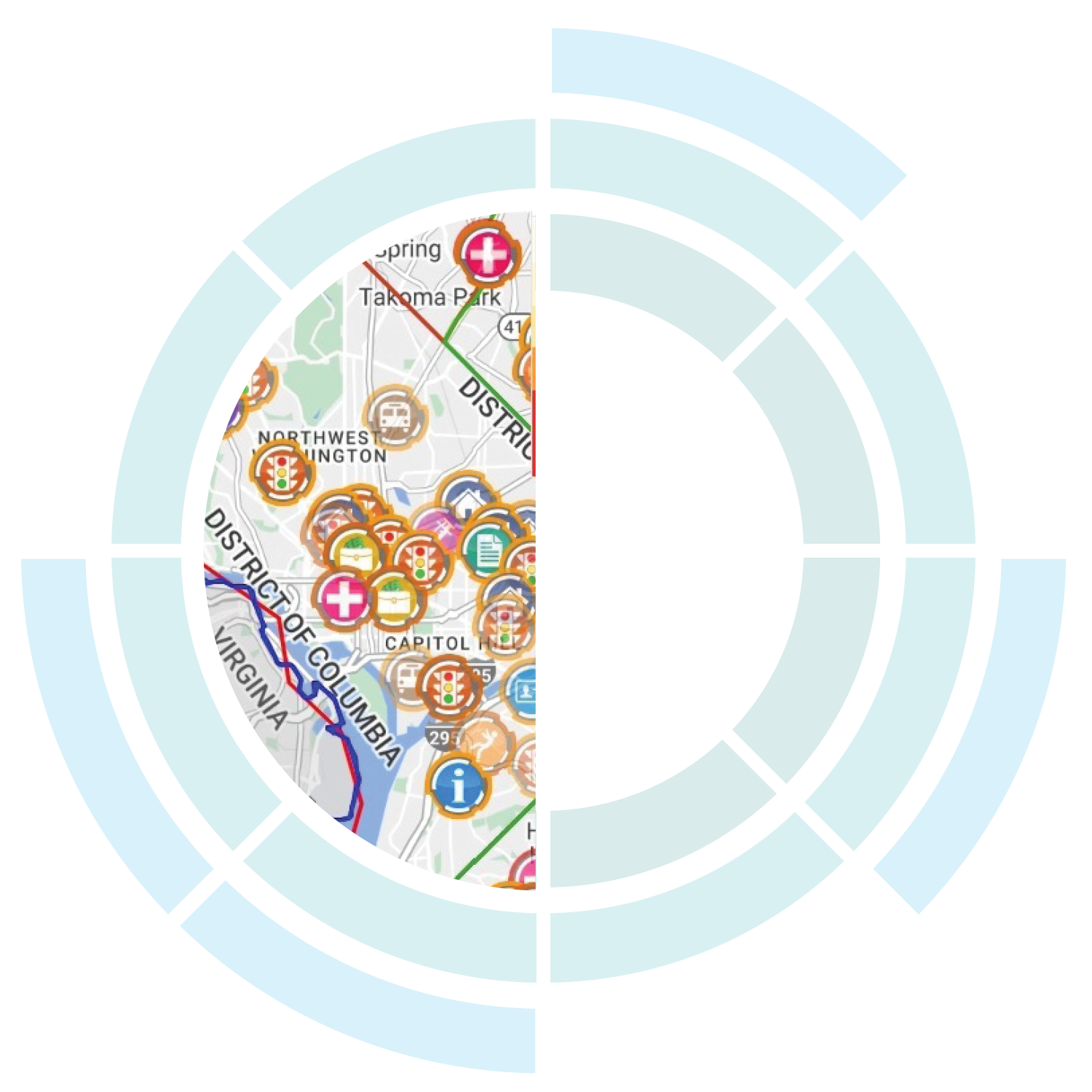
TransGlobal Business Systems is a Largo, Maryland based technology company that develops, implements and supports situational awareness and operations applications for local, state, federal and critical infrastructure clients to enable greater collaboration, efficiency and visibility of day to day operations.
Our software and services suite is geared toward citizen and officer safety using decision support tools that facilitate real-time access to relevant threat, crime, and mission critical related data. StarLight®, our flagship platform, was designed to meet these needs and bridge the agency and inter-agency gaps in communication through the establishment of a common operating platform.
AboutUs
SPECIALIZED
Situational Awareness Technology
KNOW HOW
Local, State, Federal and Critical Infrastructure Deployments
TRUSTED
Comprehensive Coverage of National Capital Region (NCR)
PROVEN
Supported Past 4 Presidential Inaugurations
EXPERIENCE
Deployed since 2009

OurMission
All In One
One For All
To enable law enforcement, public safety, homeland security and private sector venues the ability to enhance agency and inter-agency communications, operations, and their delivery of services.

OurVision
Real-Time
Real-Easy
TransGlobal strives to help government and critical infrastructure agencies bridge the agency and inter-agency gaps in communication through the establishment of a common operating platform to provide tools to better enable, protect, and support their delivery of services when and where it is needed most.

OurHistory
One Platform
One View
Since 2009, the TransGlobal StarLight® situational awareness and operations platform has been successfully used throughout the National Capital Region (NCR) by law enforcement, public safety, and critical infrastructure agencies to support and enhance their delivery of services.



In an effort to promote greater visibility, communication and collaboration in the District of Columbia and the NCR, TransGlobal Business Systems was selected to provide these agencies the ability to seamlessly collaborate and share their incident, and other critical data sources, in real-time, on one common operating platform regardless of their application, sensor, or video technology service provider.
TransGlobal proudly continues to protect, support and enhance the delivery of services for agencies in Washington DC, the National Capital Region, and throughout the US.